Monument as memory
Stone becomes a way to preserve what ordinary history cannot safely hold.
Before the pyramids were monuments, they were machines of memory.
The Pyramid Protocol returns the Seraphim to Earth centuries after Eden. Humanity is no longer standing at the edge of language. It is building, measuring, recording, organizing labor, raising kings, and turning memory into monument. The Seraphim refused to become gods, but history has already begun turning them into divine figures.
A grand ancient-Egypt science fiction story filled with stone, ritual, secret engineering, political tension, and the question of what happens when sacred architecture carries a truth no civilization is ready to speak plainly.
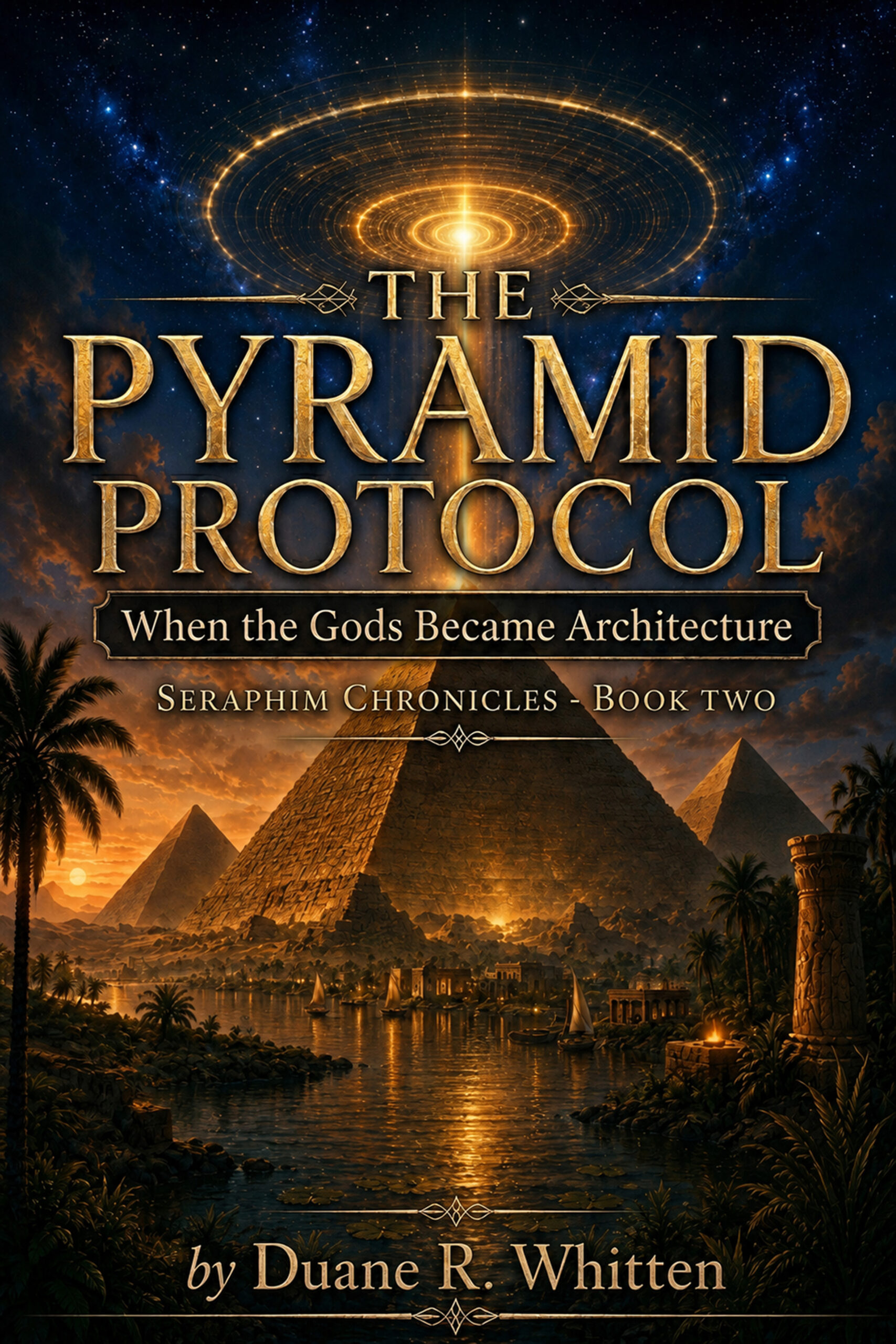





The Egypt and pyramid book: the moment when hidden intervention becomes architecture. The strongest story elements are the return to the Nile, the rise of kings and priesthoods, the Great Pyramid as both monument and hidden machine, and the moral danger of knowledge becoming authority.
The Pyramid Protocol returns the Seraphim to Earth centuries after Eden. Humanity is no longer standing at the edge of language. It is building, measuring, recording, organizing labor, raising kings, and turning memory into monument. The Seraphim refused to become gods, but history has already begun turning them into divine figures.
In the Nile valley, civilization is rising around flood, grain, labor, priesthood, throne, and stone. The Seraphim identify a dangerous instability beneath the region, one that requires a structure massive enough to stabilize the land, precise enough to serve a hidden purpose, and public enough for human beings to build. The answer becomes a pyramid: a royal monument on the surface, a machine of memory beneath the myth.
The danger is not only engineering. It is power. A king wants immortality. Priests want control. Workers carry the cost. Hidden knowledge must be protected from misuse. Imhotep becomes the human bridge between measurement and myth, a builder chosen not because he believes easily, but because he measures before he kneels.
In the shadow of Egypt's rising monuments, knowledge becomes architecture, authority, and risk. The Pyramid Protocol asks what happens when sacred memory is carved into stone and power learns how to use it.
Stone becomes a way to preserve what ordinary history cannot safely hold.
The pyramid is public monument on the surface and hidden mechanism beneath the myth.
Kings, priests, and builders all face the temptation to turn truth into authority.
Hidden knowledge requires human guardians who can measure before they kneel.
The book keeps ancient awe intact while treating architecture as purposeful design.
The Pyramid Protocol is book two in The Seraphim Chronicles. The strongest reading experience is the complete sequence from Eden to Revelation.
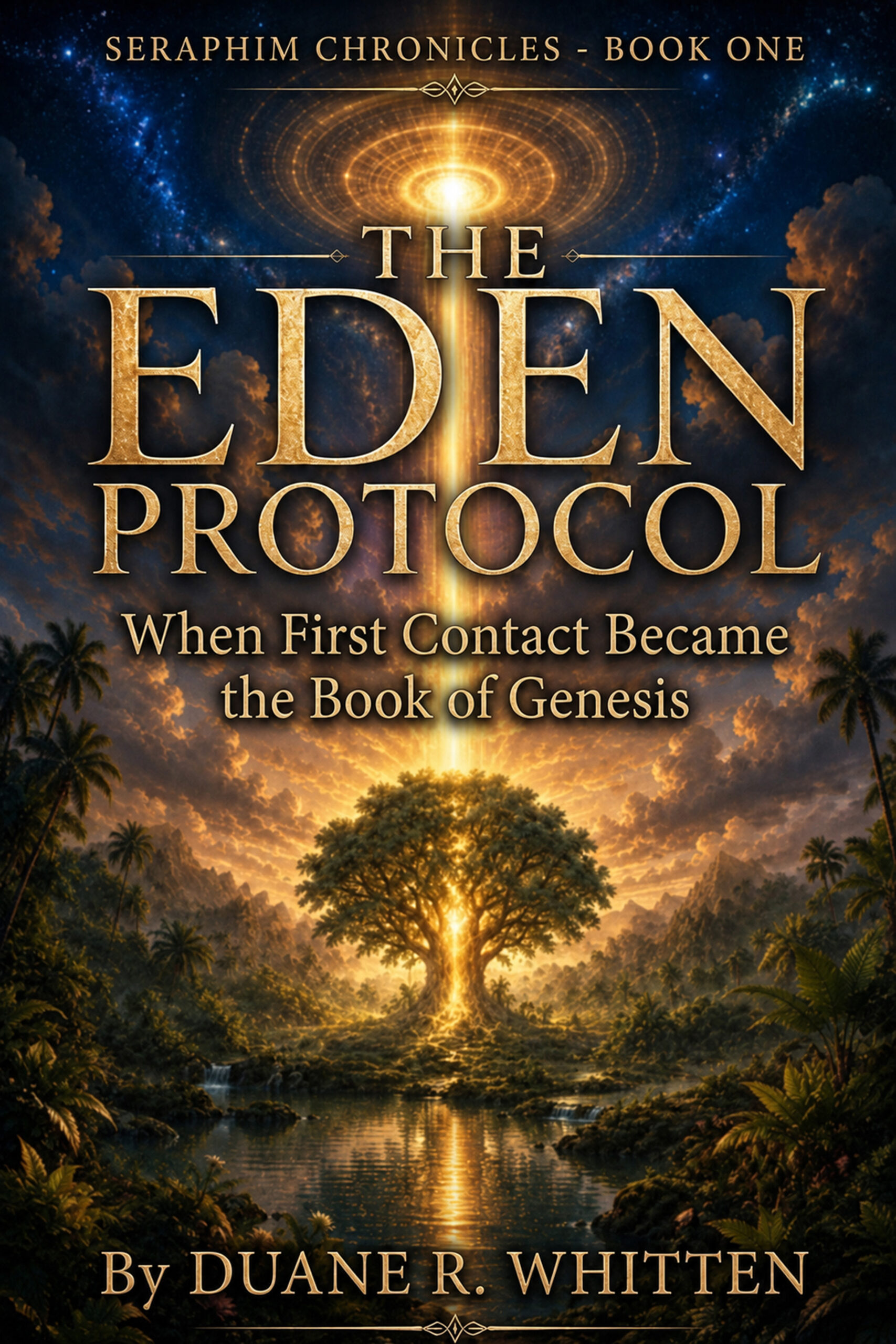
Before Eden was scripture, it was first contact.
Before the pyramids were monuments, they were machines of memory.
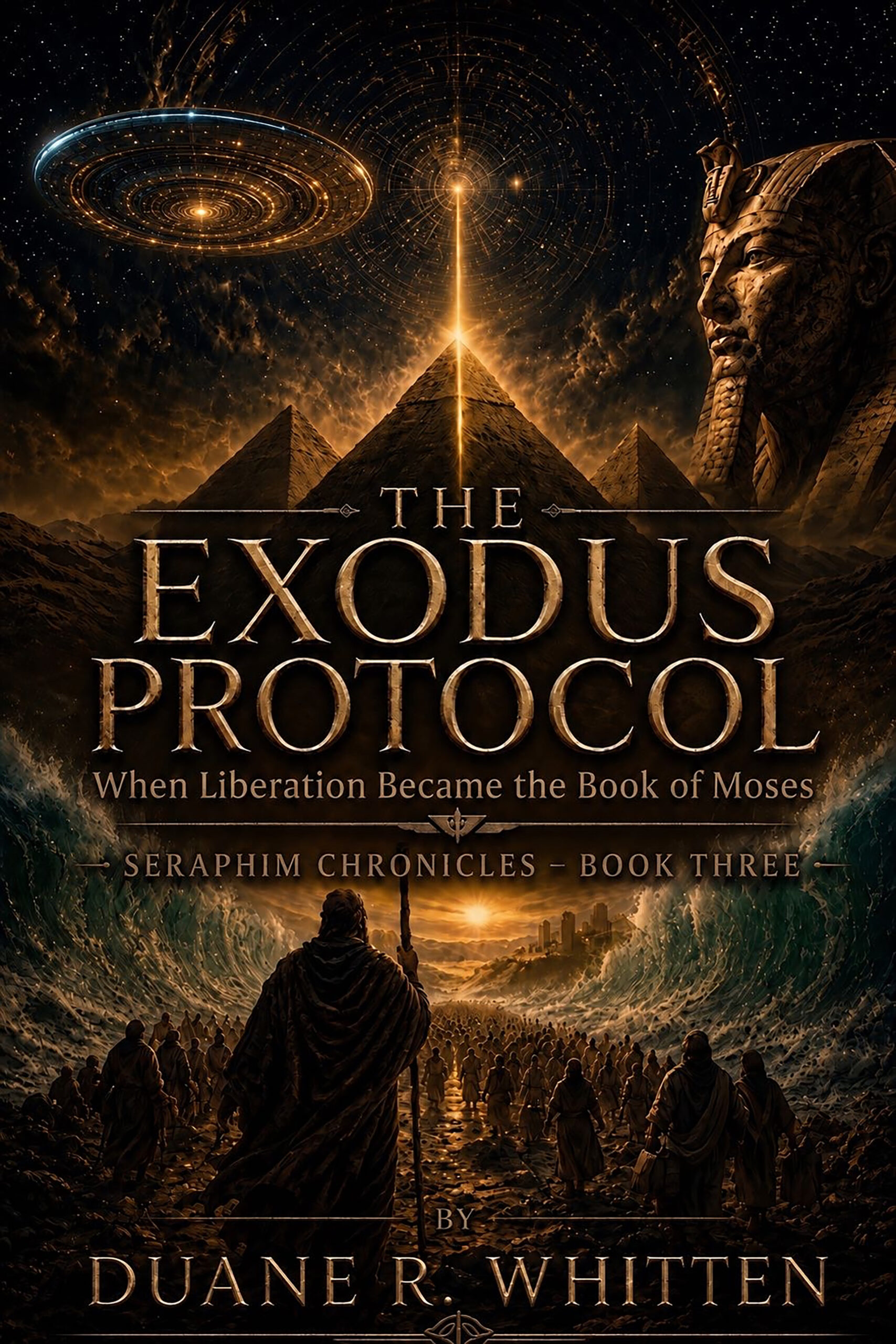
Some miracles liberate. Others teach freedom how to survive.
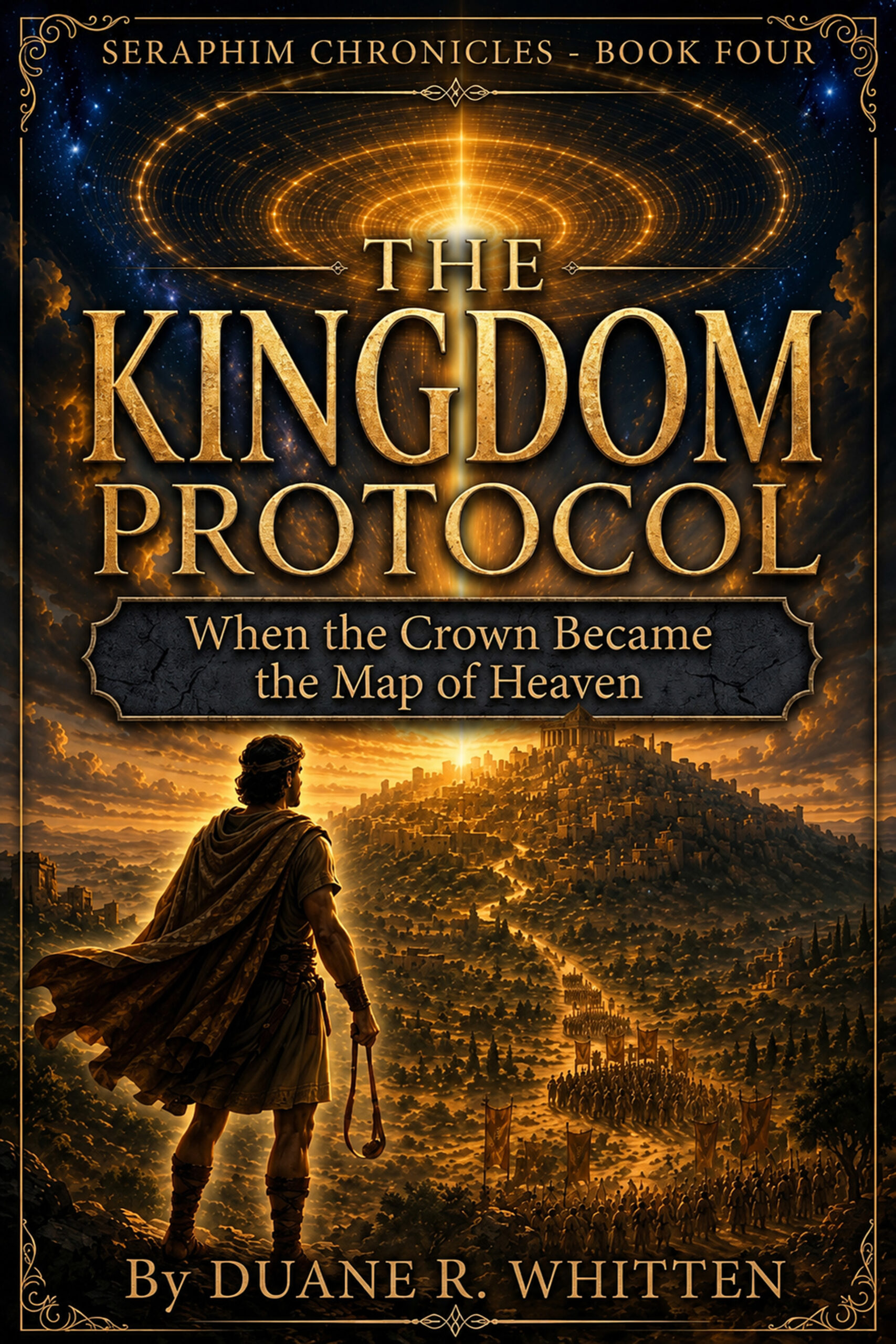
Before the heavens shifted, a shepherd had to learn the weight of a crown.
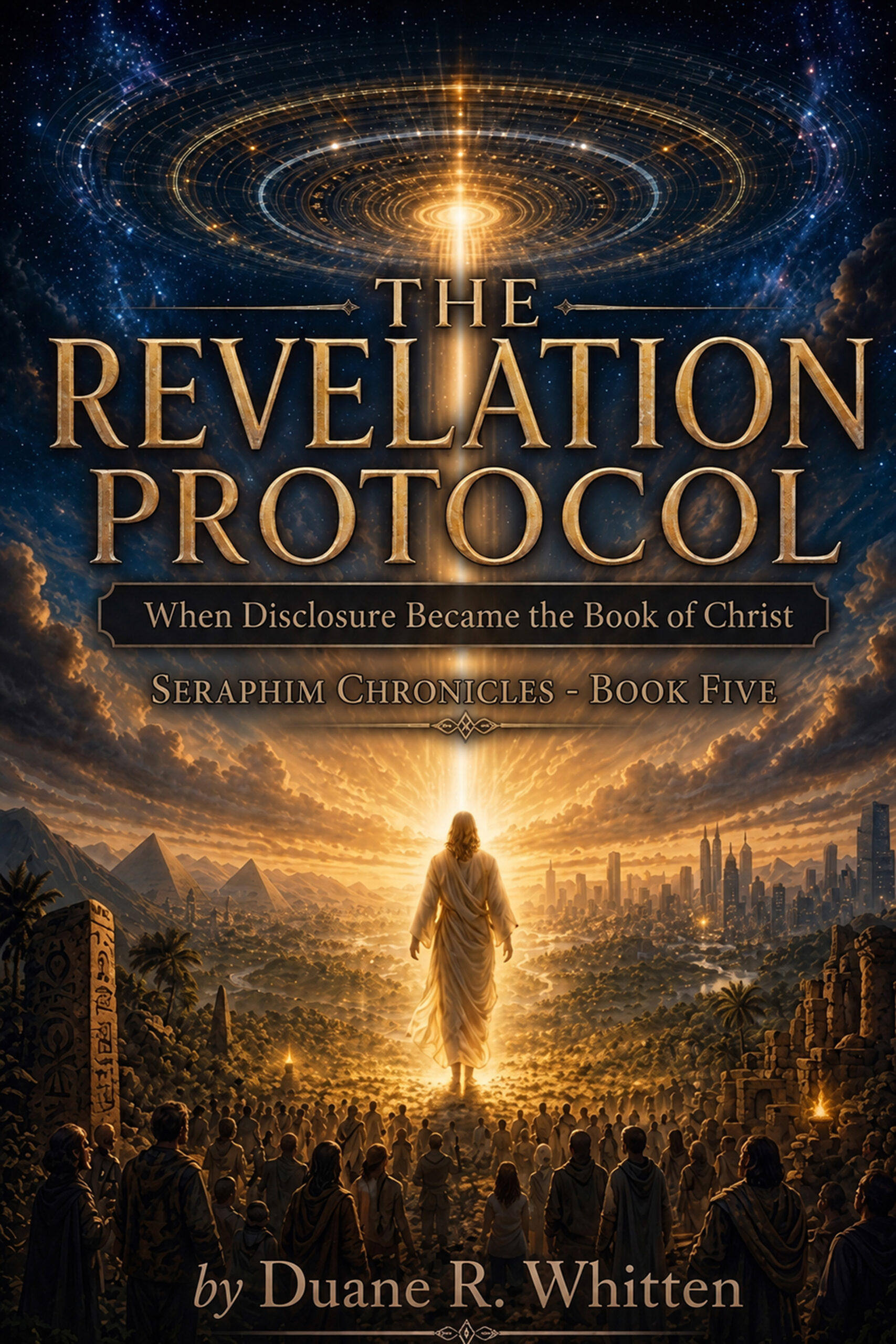
The final revelation is not apocalypse. It is disclosure.

The Pyramid Protocol reimagines ancient Egypt and the pyramids as sacred architecture, hidden technology, and memory preserved in stone.